Poison Oak Removal in Burlington County, NJ
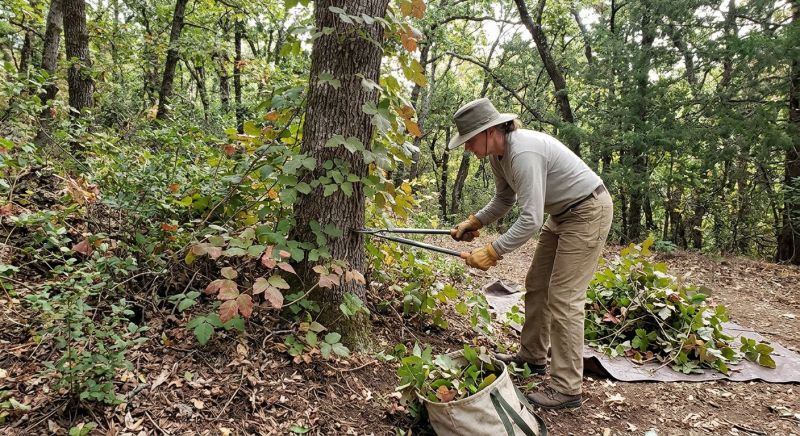
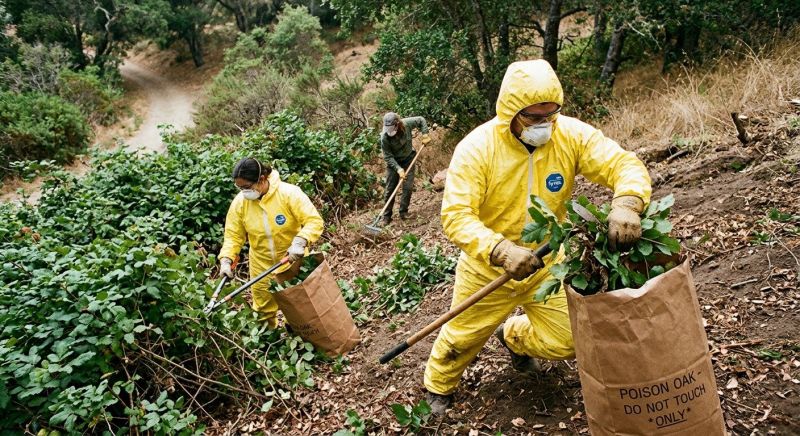
Poison oak removal services are designed to safely eliminate this common and potentially irritating plant from residential properties. These services typically cover a range of projects, including clearing poison oak from yards, gardens, and wooded areas, as well as managing overgrown brush where the plant may be hiding. Property owners often seek these services to reduce the risk of skin irritation and allergic reactions for themselves, family members, or pets, especially in outdoor spaces used for recreation or relaxation.
Before requesting poison oak removal, property owners usually want to understand the extent of the infestation, the methods used for removal, and any necessary follow-up maintenance to prevent regrowth. Clear communication about the size of the affected area and the presence of other invasive plants can help ensure the service addresses all concerns effectively. Proper removal not only helps maintain a safe outdoor environment but also supports the overall health and appearance of the landscape.
Many property owners in Burlington County, NJ look into Poison Oak Removal for repairs, replacements, upgrades, and appearance-related improvements.
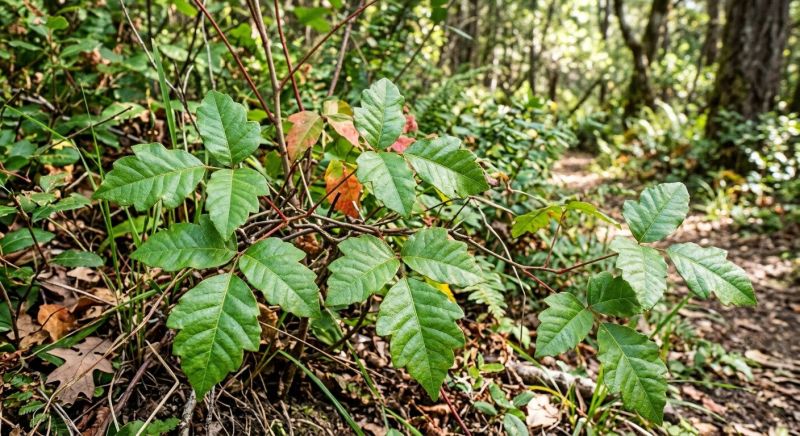
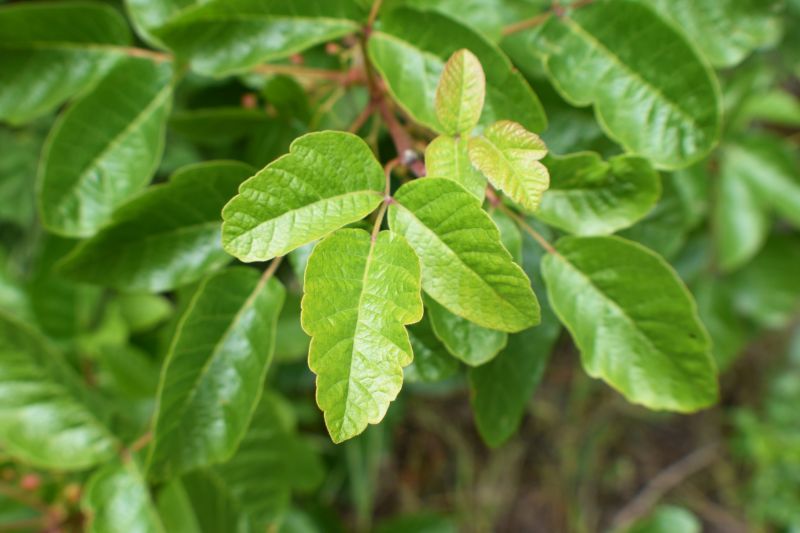
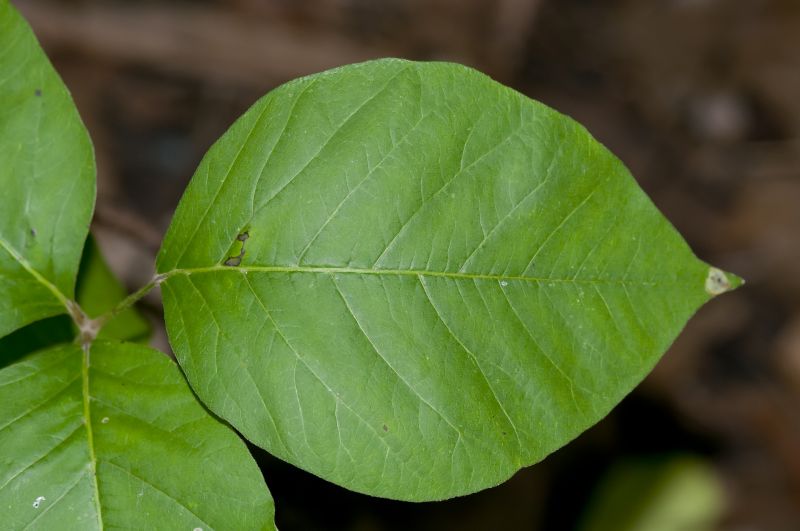
Poison Oak Identification
Recognizing poison oak is essential for safe removal and prevention on residential and commercial properties.
Hazard Prevention
Removing poison oak reduces the risk of skin irritation and allergic reactions for residents and visitors.
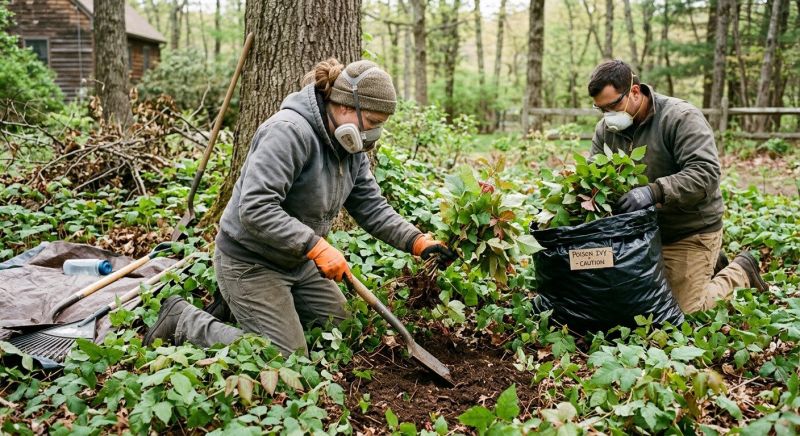
Property Maintenance
Proper removal helps maintain the safety and aesthetic appeal of gardens, yards, and outdoor spaces in burlington county, nj.
Poison Oak Removal in Burlington County, NJ
Poison oak removal services are designed to safely eliminate this common and potentially irritating plant from residential properties. These services typically cover a range of projects, including clearing poison oak from yards, gardens, and wooded areas, as well as managing overgrown brush where the plant may be hiding. Property owners often seek these services to reduce the risk of skin irritation and allergic reactions for themselves, family members, or pets, especially in outdoor spaces used for recreation or relaxation.
Before requesting poison oak removal, property owners usually want to understand the extent of the infestation, the methods used for removal, and any necessary follow-up maintenance to prevent regrowth. Clear communication about the size of the affected area and the presence of other invasive plants can help ensure the service addresses all concerns effectively. Proper removal not only helps maintain a safe outdoor environment but also supports the overall health and appearance of the landscape.
Many property owners in Burlington County, NJ look into Poison Oak Removal for repairs, replacements, upgrades, and appearance-related improvements.
Common Poison Oak Removal Jobs
Poison Oak Removal - safe clearing of poison oak from residential landscapes.
Yard Clearing - removal of poison oak plants to prevent skin irritation.
Brush and Shrub Removal - clearing overgrown areas with poison oak growth.
Property Cleanup - thorough removal of poison oak for a safe outdoor space.
Vegetation Control - targeted removal of poison oak in landscaped areas.
Landscaping Services - integrated poison oak management within yard improvement projects.
Poison Oak Removal Questions
What is poison oak removal? Poison oak removal involves safely eliminating the plant to prevent skin irritation and protect property health.
What types of projects need poison oak removal? Projects often include clearing overgrown yards, maintaining trails, and preparing land for construction or landscaping.
Is poison oak removal safe for the environment? Yes, removal is performed using methods that minimize impact on surrounding plants and wildlife.
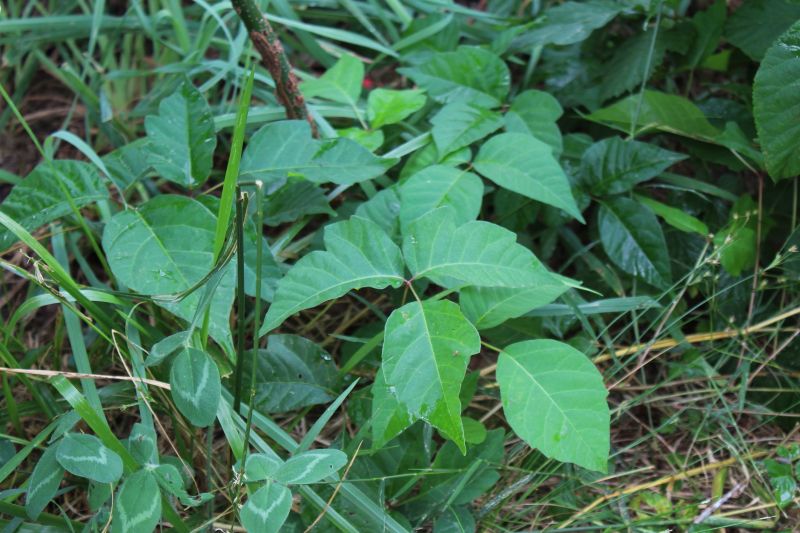
How can property owners identify poison oak? Poison oak has distinctive leaves that resemble oak trees, often with clusters of three leaflets and a hairy texture.
Request Poison Oak Removal in Burlington County, NJ
Use the quote form on this page to share the basics of your project and request more information for the type of work you need.